

Understanding Osteoporosis in Kenya: Causes, Treatment, and Management
Osteoporosis is a silent condition that weakens bones, making them fragile and more likely to break. Many people don’t realize they have it until a bone breaks from a minor fall or even simple actions like coughing. In Kenya, awareness about osteoporosis is growing, but there is still much to learn about what causes it, how it is treated, and how to manage it effectively.
In this post, I will walk you through the basics of osteoporosis, explain how it happens, describe the symptoms and who is most at risk, and share practical advice on diet and lifestyle changes. I will also cover the types of doctors you should see and the supplements commonly used in Kenya to manage this condition.
What Is Osteoporosis and How Does It Happen?
Osteoporosis means “porous bone.” It happens when the body loses too much bone, makes too little bone, or both. This leads to bones becoming weak and brittle. Imagine a sponge with many holes; that’s what osteoporotic bone looks like under a microscope.
Normally, your bones are constantly being broken down and rebuilt. When you are young, your body builds bone faster than it breaks it down. But after about age 30, bone loss can start to outpace bone building. For some people, this process speeds up, leading to osteoporosis.
How Osteoporosis Affects Bones
Bones have a dense outer layer and a spongy inner layer. In osteoporosis, the inner layer loses density and structure. This makes bones thinner and more fragile.

Caption: Close-up view showing the difference between healthy bone and bone affected by osteoporosis.
Causes of Osteoporosis
Several factors can cause or increase the risk of osteoporosis:
Age: Bone density decreases naturally as we get older.
Gender: Women are more likely to develop osteoporosis, especially after menopause due to lower estrogen levels.
Family history: If your parents had osteoporosis, your risk is higher.
Diet: Low calcium and vitamin D intake can weaken bones.
Lifestyle: Smoking, excessive alcohol, and lack of exercise contribute to bone loss.
Medical conditions: Some diseases and medications affect bone health.
Body weight: Being underweight increases risk.
In Kenya, many people do not get enough calcium or vitamin D, partly due to diet and limited sun exposure in some regions. This makes osteoporosis a growing concern.
Symptoms and Signs to Watch For
Osteoporosis is often called a “silent disease” because it usually has no symptoms until a fracture occurs. However, some signs may hint at weakened bones:
Back pain caused by a fractured or collapsed vertebra
Loss of height over time
A stooped posture or “dowager’s hump”
Bones that break more easily than expected
If you notice these signs, it’s important to see a doctor for evaluation.
Who Is Most at Risk in Kenya?
Osteoporosis affects people worldwide, but certain groups in Kenya are more vulnerable:
Postmenopausal women: Due to hormonal changes.
Older adults: Bone loss increases with age.
People with poor nutrition: Especially low calcium and vitamin D.
Individuals with limited physical activity: Exercise helps maintain bone strength.
Those with chronic illnesses or on long-term medications: Such as steroids.
Understanding your risk can help you take early steps to protect your bones.
How Is Osteoporosis Treated in Kenya?
Treatment focuses on slowing bone loss, preventing fractures, and improving quality of life. In Kenya, treatment options include:
Medications: Doctors may prescribe drugs that slow bone loss or help build bone.
Supplements: Calcium and vitamin D supplements are common.
Lifestyle changes: Exercise, diet, and quitting smoking.
Physical therapy: To improve balance and strength.
Which Doctor Should You Visit?
If you suspect osteoporosis, start with a visit to your general practitioner or family doctor. They can order bone density tests and refer you to specialists if needed.
Orthopaedic surgeons handle bone fractures and surgical treatment.
Endocrinologists specialize in hormone-related bone diseases.
Rheumatologists manage bone and joint disorders.
In many cases, a team approach works best.
Supplements Used to Manage Osteoporosis in Kenya
Supplements play a key role in managing osteoporosis. Here are some commonly used ones available in Kenya:
Calcium supplements: Essential for bone strength. Many people do not get enough calcium from diet alone.
Vitamin D supplements: Help the body absorb calcium. Sunlight exposure is a natural source, but supplements are often needed.
Bisphosphonates: Prescription drugs that slow bone loss.
For example, Aster Health Pharmacy offers a range of calcium and vitamin D supplements that are convenient to order online or pick up in Nairobi. These supplements support bone health and are part of a comprehensive osteoporosis management plan.
You can explore their options here: Aster Health Pharmacy Supplements.

Caption: Eye-level view of calcium and vitamin D supplements commonly used to support bone health.
Diet and Lifestyle Changes That Help
Good nutrition and healthy habits are vital for managing osteoporosis. Here are some tips:
Eat calcium-rich foods: Milk, yogurt, cheese, leafy greens, and fortified cereals.
Get enough vitamin D: Sunlight helps, but also eat fatty fish, eggs, and fortified foods.
Exercise regularly: Weight-bearing and muscle-strengthening exercises improve bone density.
Avoid smoking and limit alcohol: Both weaken bones.
Maintain a healthy weight: Being too thin increases fracture risk.
In Kenya, traditional diets can be rich in calcium if they include dairy and green vegetables. Encouraging these foods can help reduce osteoporosis risk.
Understanding Bone Health Through Illustrations
Visualizing the difference between healthy and osteoporotic bones helps understand the condition better. Healthy bones have a dense, strong structure, while osteoporotic bones look porous and fragile.
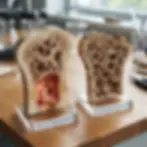
Caption: High angle view of bone cross-section comparing healthy bone density with osteoporotic bone.
Taking Action: What You Can Do Today
If you or a loved one is concerned about osteoporosis, here are some steps to take:
Schedule a bone density test if you are at risk.
Talk to your doctor about supplements and medications.
Start or maintain a diet rich in calcium and vitamin D.
Incorporate regular exercise into your routine.
Avoid smoking and limit alcohol intake.
Visit a specialist if you have fractures or severe bone loss.
Managing osteoporosis is a lifelong journey, but with the right care, you can keep your bones strong and reduce the risk of fractures.
Osteoporosis may seem daunting, but understanding it is the first step to protecting your bones. With proper treatment, supplements, and lifestyle changes, you can live a healthy, active life. If you need supplements or advice, pharmacies like Aster Health Pharmacy provide trusted products and support across Kenya.
Take care of your bones today for a stronger tomorrow.