.webp)
Living Well with Hepatitis: A Practical Guide to a Healthy Life

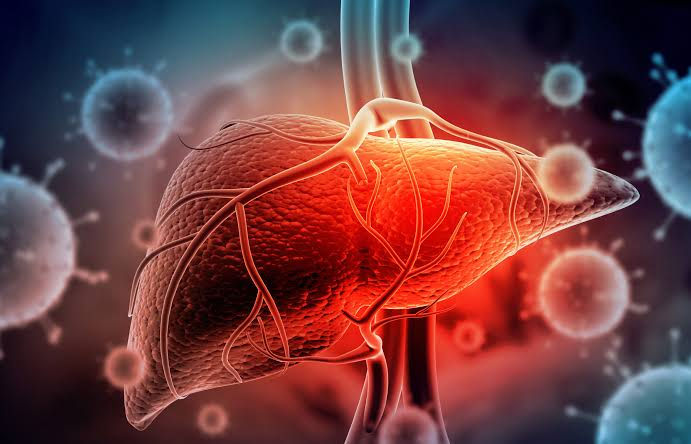
Receiving a hepatitis diagnosis can feel overwhelming, but it doesn't mean you can't live a long, active, and fulfilling life. With the right medical care, healthy lifestyle choices, and support from loved ones, many people with hepatitis successfully manage their condition while enjoying a good quality of life.
Whether you have Hepatitis B, Hepatitis C, or another form of viral hepatitis, taking care of your liver is one of the most important things you can do for your overall health.
🩺 What Is Hepatitis?
Hepatitis is an inflammation of the liver, most commonly caused by viral infections such as Hepatitis A, B, C, D, and E. The liver performs essential functions including:
Filtering toxins from the blood
Producing proteins and hormones
Storing nutrients and vitamins
Helping digest fats
When the liver becomes inflamed, these functions can be affected, making it important to protect and support your liver health.
💙 Can You Live a Normal Life with Hepatitis?
Absolutely! Many people with hepatitis live normal, productive lives. Advances in medicine have made treatment more effective than ever. Some types, such as Hepatitis C, can often be cured, while Hepatitis B can usually be well managed with medication and regular monitoring.
The key is early diagnosis, following your healthcare provider's recommendations, and making healthy lifestyle choices.
🥗 1. Eat a Liver-Friendly Diet
Your liver works hard every day, so give it the nutrients it needs.
Choose foods such as:
🥦 Fresh vegetables
🍎 Fruits
🌾 Whole grains
🐟 Lean proteins like fish and chicken
🫘 Beans and legumes
🥜 Healthy fats from nuts, seeds, and avocados
Limit or avoid:
🍟 Fried foods
🍔 Highly processed meals
🍰 Sugary snacks and drinks
🧂 Excess salt
Saturated and trans fats
Eating balanced meals helps maintain a healthy weight and reduces strain on your liver.
🚫 2. Avoid Alcohol
Alcohol can significantly worsen liver damage, especially if you have chronic hepatitis.
Avoiding alcohol is one of the best decisions you can make to protect your liver and slow disease progression.
💊 3. Take Medications Safely
Always:
Take hepatitis medications exactly as prescribed.
Do not stop treatment without consulting your healthcare provider.
Inform your doctor before taking herbal remedies or supplements.
Avoid unnecessary painkillers or medications that may affect the liver.
Even over-the-counter medicines should be used with caution.
🏃 4. Stay Physically Active
Regular exercise helps:
Maintain a healthy weight
Improve energy levels
Support your immune system
Reduce fatty liver disease risk
Improve mental wellbeing
Aim for at least 150 minutes of moderate exercise each week, such as:
Walking
Cycling
Swimming
Dancing
Light strength training
😴 5. Get Enough Rest
Fatigue is common among people living with hepatitis.
Help your body recover by:
Sleeping 7–9 hours each night
Managing stress
Taking breaks when needed
Maintaining a regular sleep schedule
🩺 6. Attend Regular Medical Check-Ups
Routine monitoring allows your healthcare provider to:
Check liver function
Monitor viral activity
Detect complications early
Adjust treatment when necessary
Never skip scheduled appointments, even if you feel well.
💉 7. Protect Others
Depending on the type of hepatitis you have:
Encourage close family members to get vaccinated against Hepatitis B if they are eligible.
Do not share razors, toothbrushes, or needles.
Practice safer sex, especially if advised by your healthcare provider.
Cover open cuts and dispose of blood-contaminated items safely.
These simple precautions help reduce the risk of transmission.
❤️ 8. Take Care of Your Mental Health
Living with a chronic illness can be emotionally challenging.
Remember to:
Talk openly with trusted family or friends.
Join a support group if available.
Seek professional counseling if you're feeling anxious or depressed.
Stay informed about your condition from reliable sources.
Mental health is just as important as physical health.
🚭 9. Avoid Smoking
Smoking contributes to many health problems and may increase the risk of liver complications. Quitting smoking improves your overall health and supports your body's healing process.
🌟 10. Stay Positive and Informed
Knowledge is empowering.
Learn about your condition, ask questions during medical appointments, and stay updated on new treatments. Following your healthcare provider's advice and making healthy choices can greatly improve your long-term health.
🚨 When Should You Seek Medical Care Immediately?
Contact a healthcare provider or seek urgent medical attention if you experience:
Yellowing of the eyes or skin (jaundice) that suddenly worsens
Severe abdominal pain
Persistent vomiting
Confusion or excessive drowsiness
Swollen abdomen or legs
Vomiting blood or passing black stools
These symptoms may indicate serious liver complications that require prompt medical evaluation.
💙 Final Thoughts
A hepatitis diagnosis is not the end of your journey—it is the beginning of taking better care of your health. By following your treatment plan, eating well, staying active, avoiding alcohol, and attending regular check-ups, you can protect your liver and continue living a full and meaningful life.
Remember, small healthy choices made every day can make a big difference over time.
Disclaimer: This article is for educational purposes only and should not replace professional medical advice. Always consult your healthcare provider for diagnosis, treatment, and personalized recommendations regarding hepatitis.


Comments